



How NASA Uses Aircraft for Research, with Laurie Grindle
Salute to America in Space · Sunday, Nov. 8 · Air Dot Show Main Stage
How NASA Uses Aircraft for Research
Long before a new idea reaches the airliner you fly or the satellite overhead, it is proven in the sky. NASA’s top aeronautics official, Laurie Grindle, takes the Air Dot Show Main Stage to explain how NASA’s flying laboratories do it.
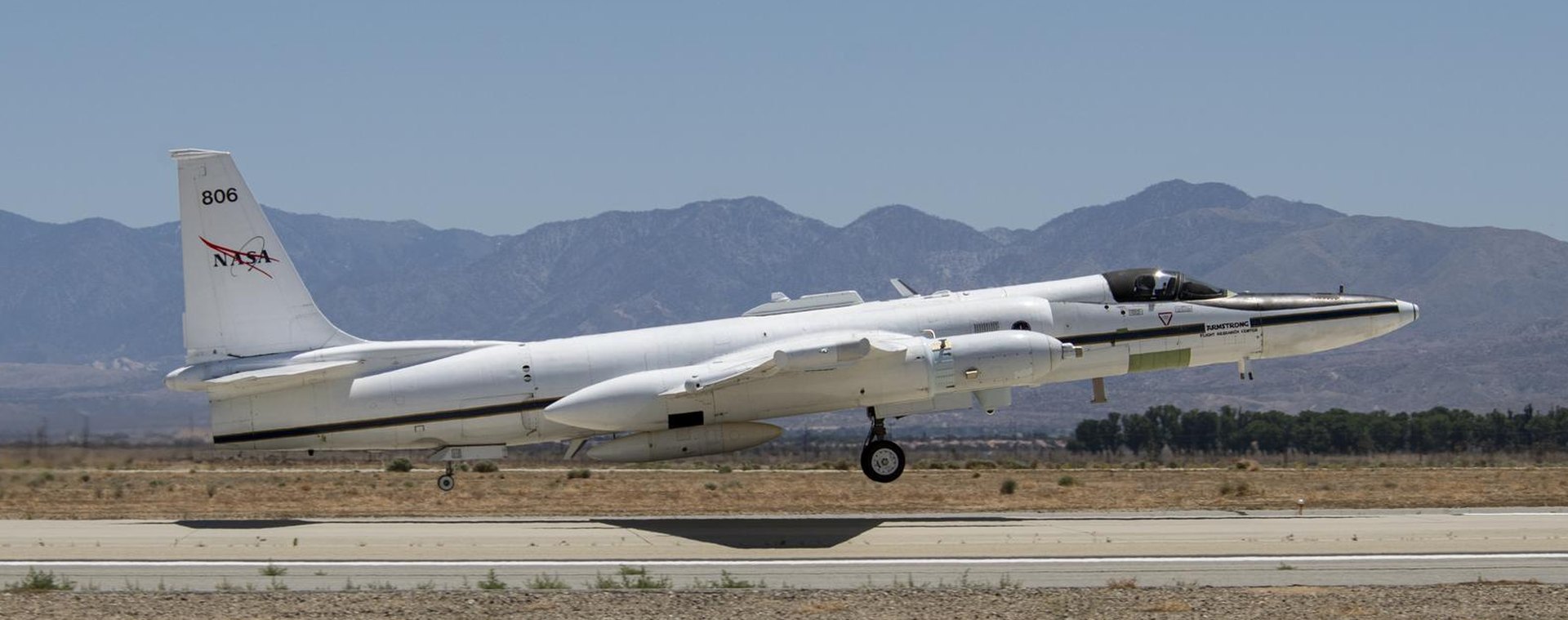
NASA’s ER-2 takes off from Armstrong’s Building 703 in Palmdale, California, May 13, 2022. Photo: NASA/Lauren Hughes
Every aircraft NASA flies is a laboratory with wings. Some climb to the edge of space to study Earth’s atmosphere, some skim polar ice to measure what lies beneath, and some fly alongside experimental jets to watch and record every test. On Sunday, November 8, the woman who leads NASA’s aeronautics research takes the Air Dot Show Main Stage at Salute to America in Space for a moderated conversation about what those aircraft do, and why it matters.
Laurie Grindle is director of the Aeronautics Division in NASA’s Research and Technology Mission Directorate, where she manages the agency’s aeronautics research portfolio. She has spent more than three decades in flight research, most of them at NASA’s Armstrong Flight Research Center in California, where she rose from summer intern to deputy center director.
- When
- Sunday, November 8, 2026
11:15 – 11:30 AM - Where
- Air Dot Show Main Stage
Kennedy Space Center - Featuring
- Laurie Grindle
NASA Director of Aeronautics
in a moderated conversation
On Stage
Meet the Speaker
From a summer internship in the desert to leading NASA’s aeronautics research for the whole agency.

Laurie Grindle
Director, Aeronautics Division · NASA Headquarters
Grindle began her NASA career in 1992 as an intern in the Aerodynamics Branch at what is now NASA’s Armstrong Flight Research Center, and joined full time a year later. As a researcher she led an air-data experiment on an F/A-18 research aircraft, worked on supersonic laminar flow tests on the F-16XL, and helped analyze space shuttle maneuvers. She was also part of the X-43A hypersonic team, whose uncrewed research vehicle set world speed records for an air-breathing aircraft in 2004.
She went on to run Armstrong’s flight projects as director for Programs and Projects, then served as the center’s deputy director from 2023. In 2026 she moved to NASA Headquarters in Washington to lead the Aeronautics Division. An engineer with degrees from UC Davis and Cal State Fresno, she is also an instrument-rated private pilot.
- 1992Joins NASA as an intern in the Aerodynamics Branch at what is now Armstrong
- 2004Her X-43A team sets world speed records for an air-breathing aircraft
- 2017Named deputy director for Programs and Projects at Armstrong
- 2023Appointed deputy center director of NASA Armstrong
- 2026Named director of NASA’s Aeronautics Division
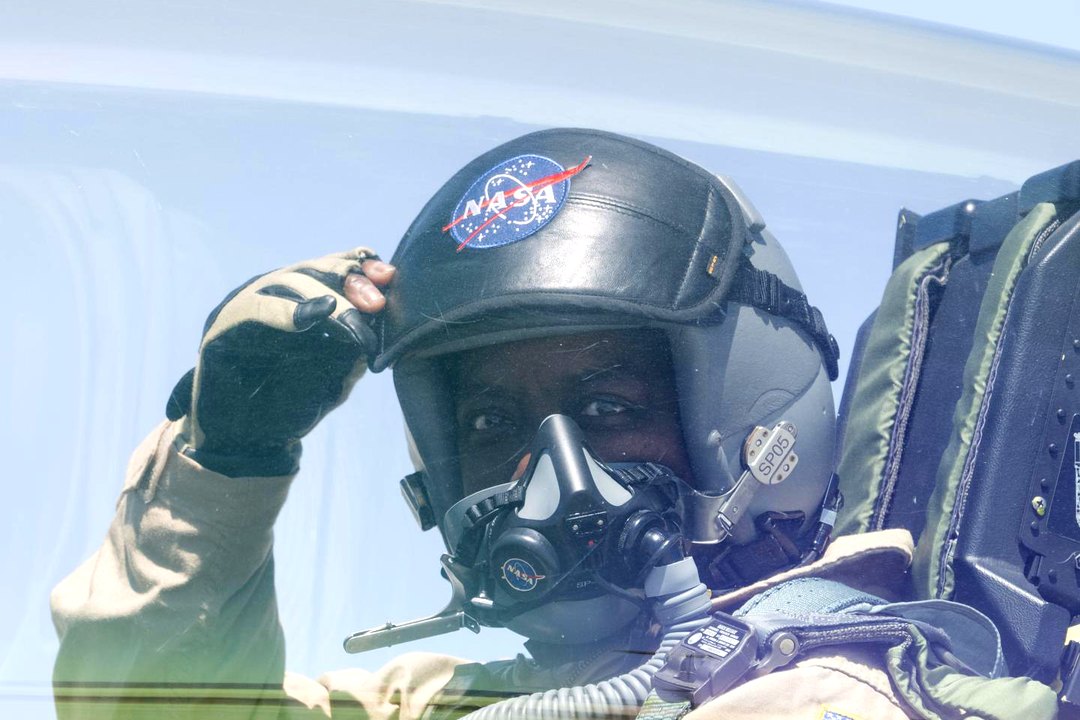
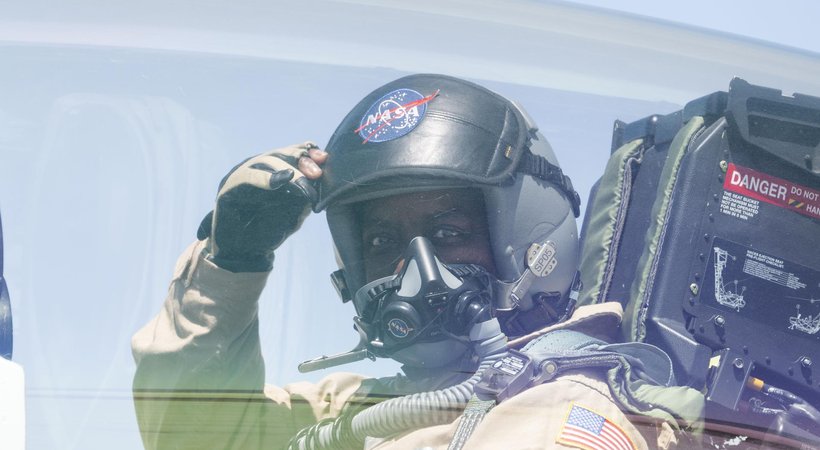
Laurie Grindle prepares for a flight in a NASA F/A-18 at Armstrong Flight Research Center, April 14, 2026. Photo: NASA/Jim Ross
The Conversation
The Sky Is the Lab
Sunday’s conversation looks at the research NASA’s aircraft make possible. Some of it is about flight itself: new wing shapes, quieter engines and safer ways to share the sky. Some of it is about our planet, with instruments that measure storms, smoke, ice and air quality from above.
Grindle will also share a few lesser-known NASA aeronautics projects, and the kind of breakthrough that looks small on paper but ends up making a big difference on nearly every flight you take.
NASA flight research by the numbers
Every flight is an experiment.
Figures: NASA
On the Flight Line
See NASA’s Flying Labs Up Close
After the talk, walk the ramp and see four NASA research aircraft on ground display:
- ER-2. A high-altitude jet that carries science instruments to about 70,000 feet to study Earth and test new satellite sensors.
- P-3 Orion. A four-engine flying laboratory that has measured polar ice, storms and the atmosphere around the world.
- T-38 Talon. The supersonic trainer NASA astronauts fly to stay sharp in high-performance flight.
- F/A-18. A research and chase jet that flies alongside experimental aircraft and carries flight experiments of its own.
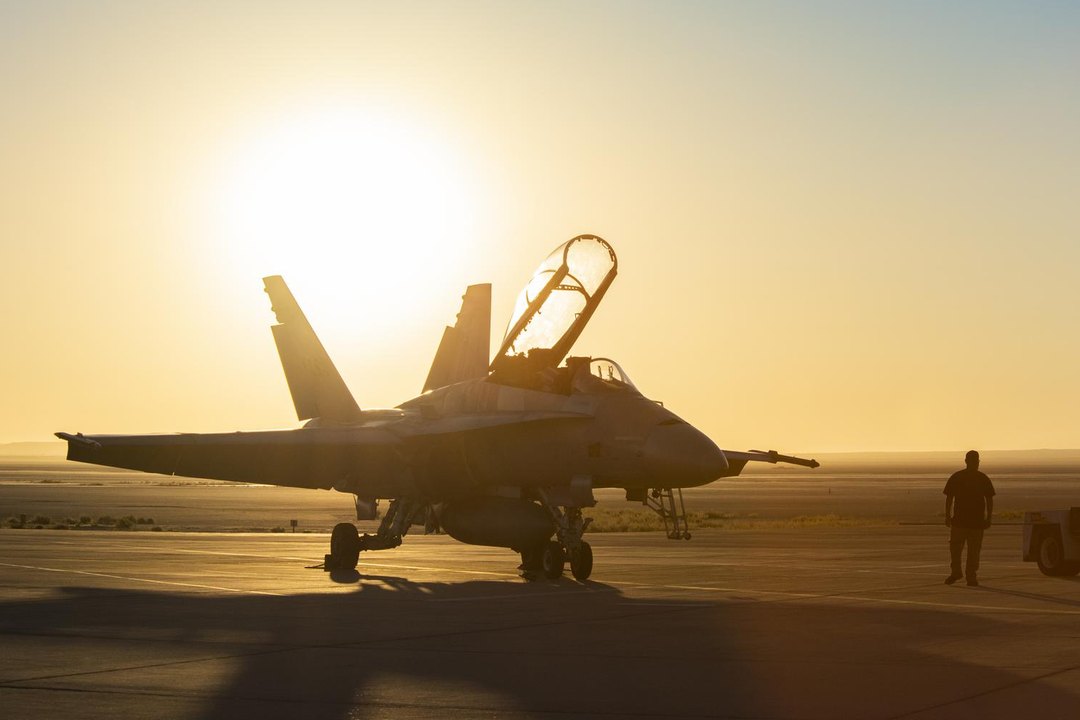
A NASA F/A-18 on the ramp at Armstrong Flight Research Center before a supersonic research flight. Photo: NASA/Lauren Hughes
Plan Your Visit
Sunday on the Main Stage
How NASA Uses Aircraft for Research with Laurie Grindle is part of Sunday’s lineup on the Air Dot Show Main Stage at Kennedy Space Center. Salute to America in Space runs November 7–8, 2026.
Buy TicketsExplore the KSC Event
See the Full Session Schedule →
 Guider
No Comments